5. Check the Moisture Level
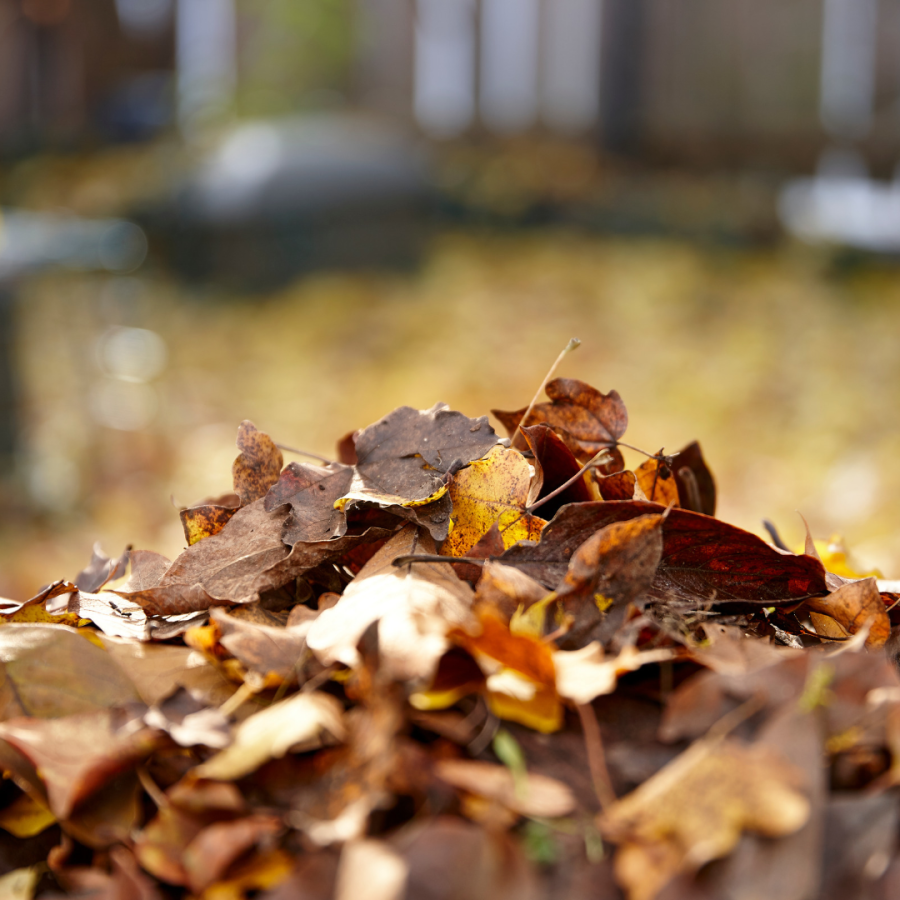
Compost needs moisture, but too much water can cause unpleasant odors and slow the process. Aim for the consistency of a wrung-out sponge. If your pile is soggy after a rainstorm, add dry leaves or shredded cardboard. If it is too dry, add a little water.
6. Give Your Compost a Little Breathing Room
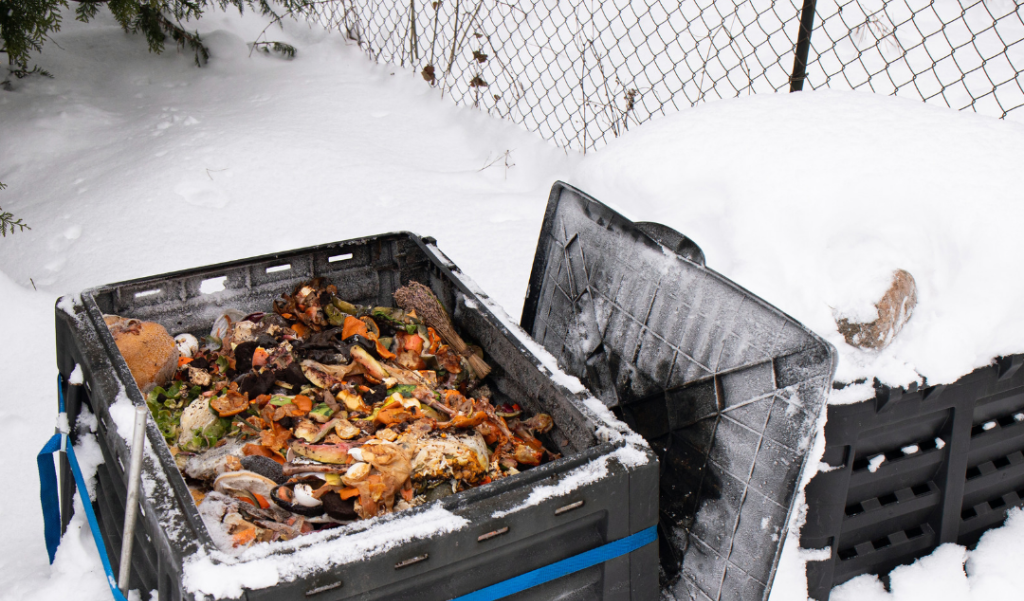
Air helps composting organisms do their work. Mix your pile occasionally when weather conditions allow, but don’t worry about turning it as often during cold spells. If temperatures stay below freezing, reduce turning so you don’t lose valuable heat from the center of the pile.
7. Try Indoor Composting
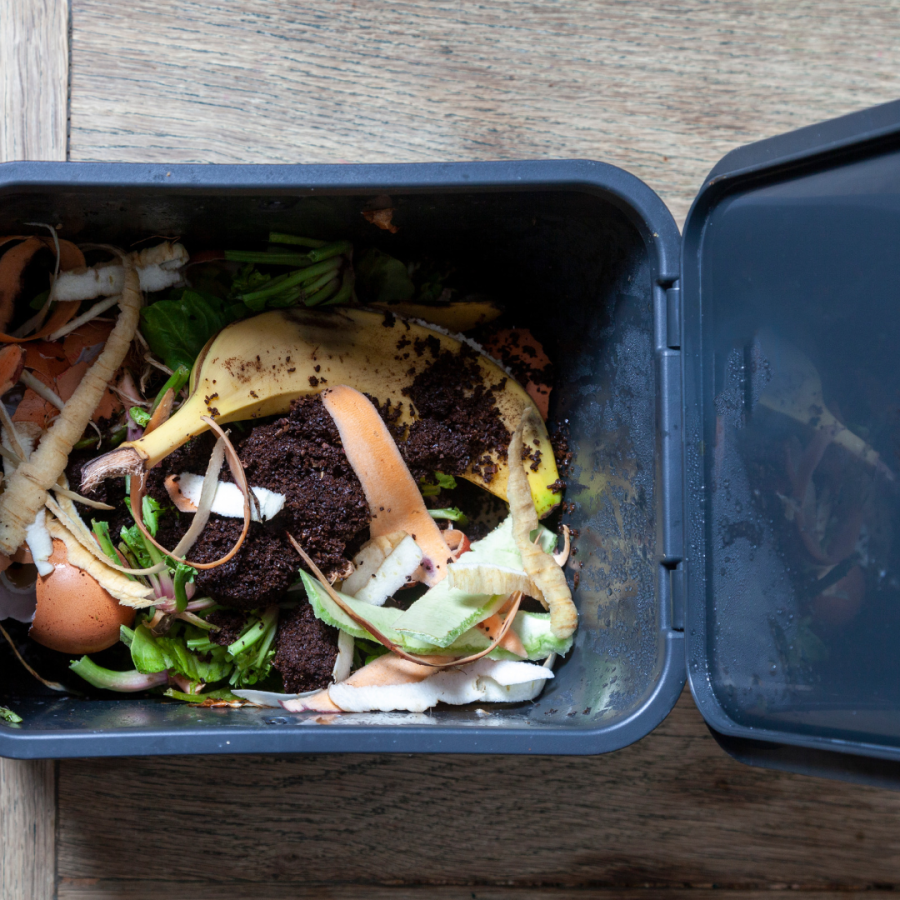
Short on outdoor space? You still have options! Use a small countertop container to collect food scraps until you transfer them to an outdoor compost pile or a community composting program. You can also explore vermicomposting, which uses worms to break down suitable food scraps in a properly maintained bin.
Remember: a kitchen scrap container is for collection, not long-term composting. Empty it regularly to help prevent odors and pests.
8. Get Ready for Spring
Winter is a great time to prepare for the next growing season. Check your compost bin for damage, stock up on dry leaves, and make room for new materials. If you already have finished compost, store it in a covered container to protect it from excessive rain and nutrient loss.
When spring arrives, your compost pile will be ready to pick up the pace as temperatures warm.