1. Recycled Paper Ribbon
Kraft paper, newspaper strips, old sheet music, maps, and magazine pages can all be transformed into beautiful ribbon alternatives. You can twist, braid, curl, or fringe them just like traditional ribbon. Paper adds a unique texture and can be recycled afterward, making it a great eco friendly choice.
Try layering different types of paper for added dimension—maps mixed with sheet music look especially striking. You can also paint or dye paper strips to match school colors. If you want extra durability, lightly coat the paper with a homemade flour and water paste to strengthen it without adding plastic.
Paper ribbon is also a fun way to personalize a mum. For example, use pages from a favorite book, comic strips, or even old homework assignments for a sentimental touch.
2. Fabric Scraps Instead of Polyester Ribbon
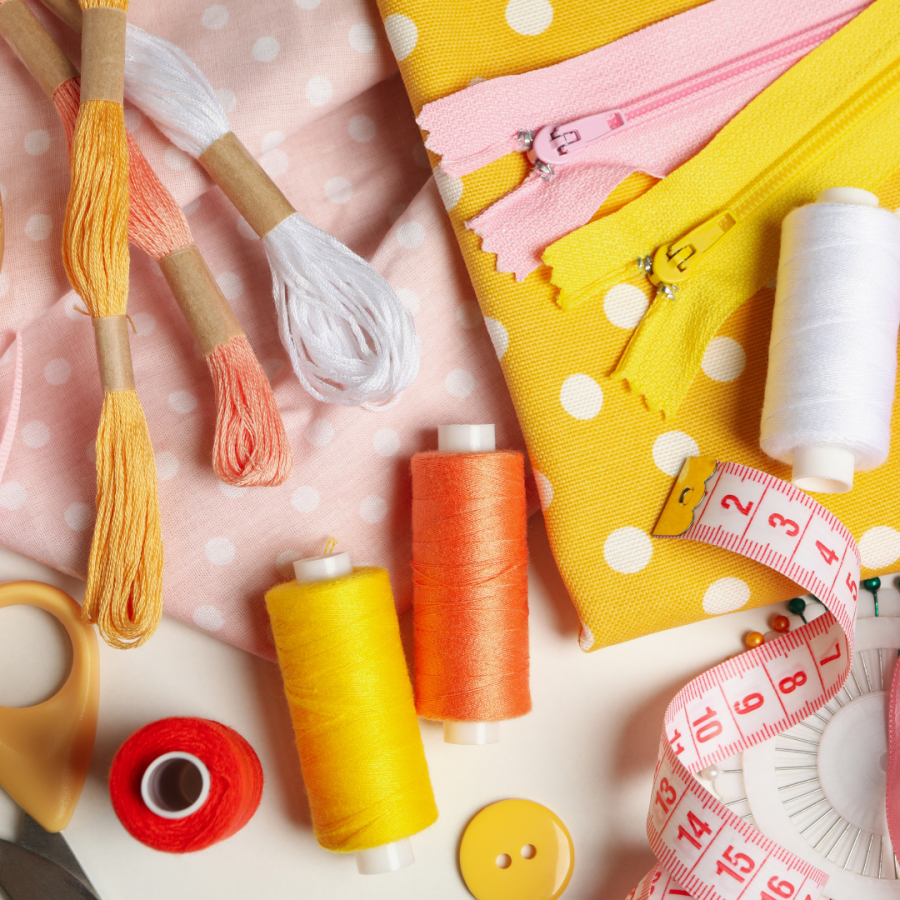
Old T-shirts, denim scraps, bandanas, and cotton quilting leftovers make excellent ribbon substitutes. Fabric scraps can be cut into strips, braided, layered, or tied into bows. They’re durable, washable, and reusable year after year.
If you want crisp edges, iron the fabric strips before assembling your mum. You can also sew or glue multiple strips together to create thicker braids or decorative loops. Denim adds a bold, textured look, while cotton fabrics give a soft, classic feel.
Fabric scraps are also great for adding pops of color without buying new materials. Raid your closet or ask friends for old clothing in your school colors—it's a sustainable and budget friendly option.
3. Real or Dried Flowers
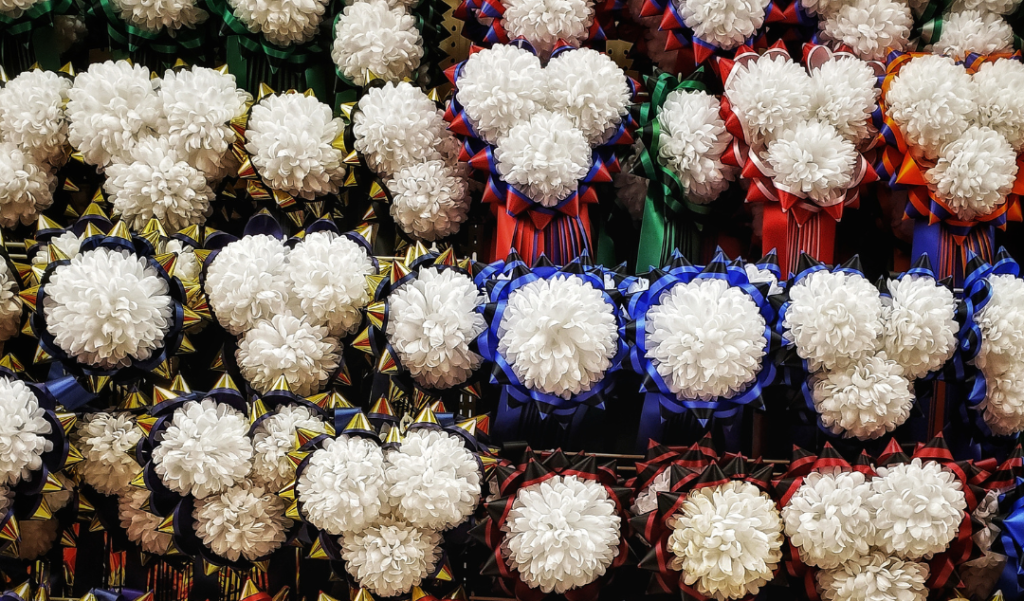
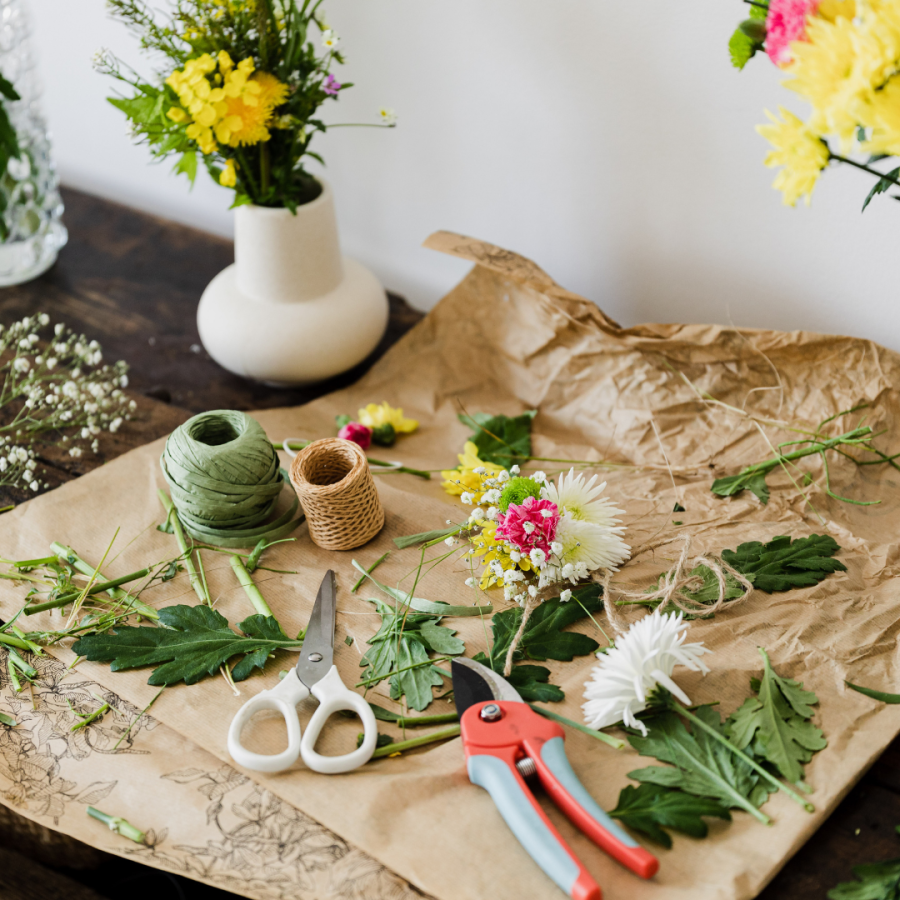
Using real chrysanthemums is a beautiful nod to the original tradition. Fresh flowers are compostable, and dried flowers add a rustic, vintage charm. You can also make flowers from paper or fabric for a reusable option.
If you choose fresh flowers, store them in the fridge until the day of homecoming to keep them vibrant. Dried flowers can be lightly misted with water to soften them before attaching. Paper flowers can be made from recycled materials and customized to match school colors.
Real or handmade flowers can also become keepsakes. You can press the flowers afterward or save the paper versions as part of a scrapbook.
4. Cardboard Backing from Recycled Boxes
Cereal boxes, shipping boxes, and shoe boxes make excellent mum backings. They’re sturdy, lightweight, and recyclable. You can cut them into circles, hearts, or custom shapes depending on your design.
To strengthen the backing, glue two layers of cardboard together or add a thin layer of scrap fabric. If you want a polished look, cover the cardboard with recycled paper instead of synthetic ribbon. You can also paint the backing using leftover craft paint or natural dyes.
Cardboard is easy to work with, so it’s perfect for beginners or group projects. Kids especially enjoy decorating the backing with markers or stamps.
5. Upcycled Charms and Decorations
Instead of buying new plastic trinkets, repurpose old keychains, bottle caps, wooden shapes, or charms from previous mums. You can paint or decorate them to match school colors. Even small household items like buttons or fabric patches can become unique accents.
Try drilling tiny holes in bottle caps to turn them into hanging charms. Old jewelry pieces can be transformed into sparkling decorations. Wooden shapes can be painted with eco friendly paint or stamped with school logos.
Upcycled charms often become conversation starters and they can add personality while reducing waste at the same time.
6. Natural Twine and Yarn
Swap synthetic ribbon for cotton yarn, hemp twine, or jute rope. These materials are biodegradable and add a warm, handcrafted feel. They’re great for braids, loops, and decorative knots.
If you want a more finished look, braid multiple strands together or mix twine with fabric strips. Natural fibers also hold knots well, making them ideal for attaching charms or securing layers of the mum.
You can also dye natural twine using plant based dyes, such as turmeric for yellow or beet juice for red, to match school colors.
7. Reusable LED Lights
If lights are a must, choose rechargeable LEDs instead of single use battery lights. Rechargeable LEDs are brighter, last longer, and reduce waste.
Rechargeable lights often come with clips or hooks, making them easy to remove and reuse next year. If you do use lights, avoid hot glue so you can detach them later. You can also tuck lights into paper or fabric pockets instead of gluing them directly.
Lights add flair, but they don’t have to be wasteful—just choose options that can be reused.