Getting involved in No Mow May doesn’t have to be complicated or all-or-nothing. With just a few small adjustments, you can support pollinators while still keeping your yard healthy and manageable.
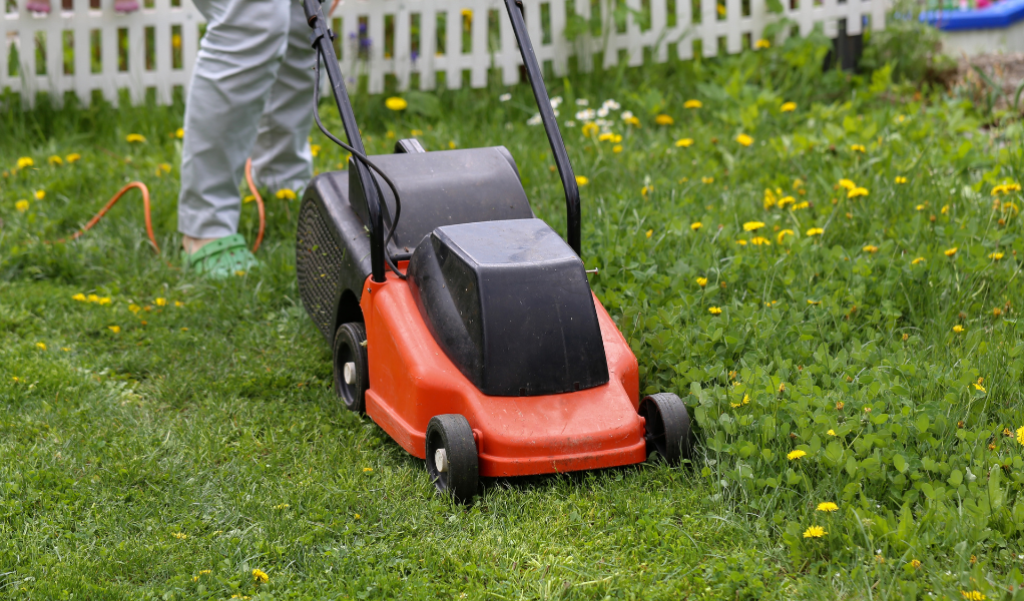
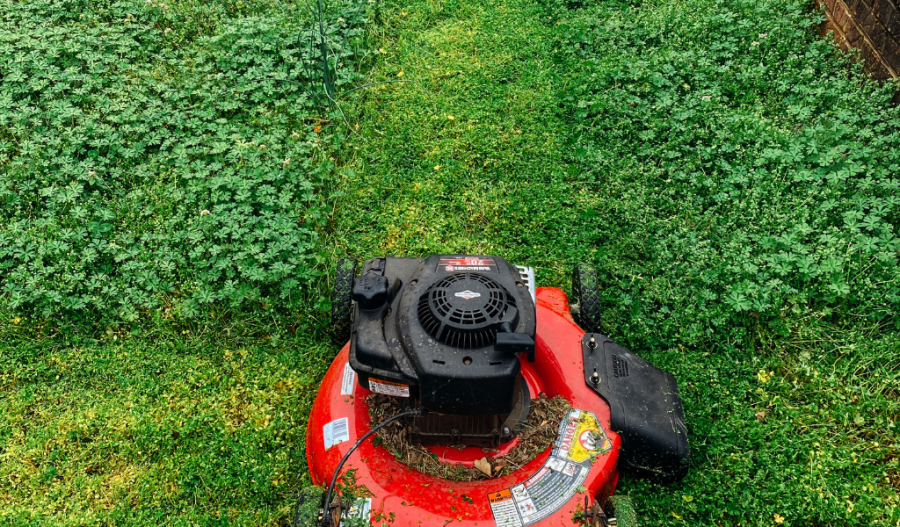
Mow Tall- Instead of letting your lawn grow extremely long and then cutting it short, aim to keep it consistently tall throughout the spring. Maintaining a height of 3-4 inches helps protect soil moisture, encourages flowering plants, and reduces stress on the grass. This approach also prevents the shock that comes from cutting very tall grass all at once. It’s a balanced way to support pollinators while keeping your lawn manageable.
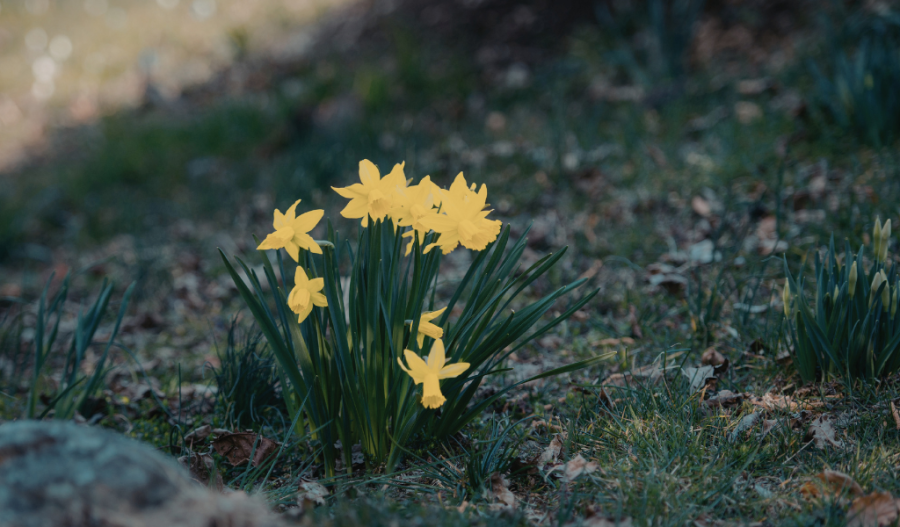
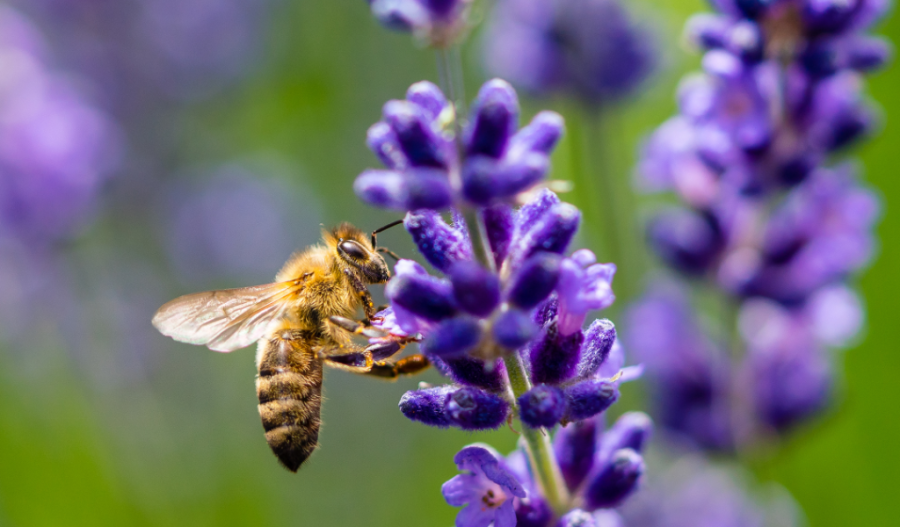
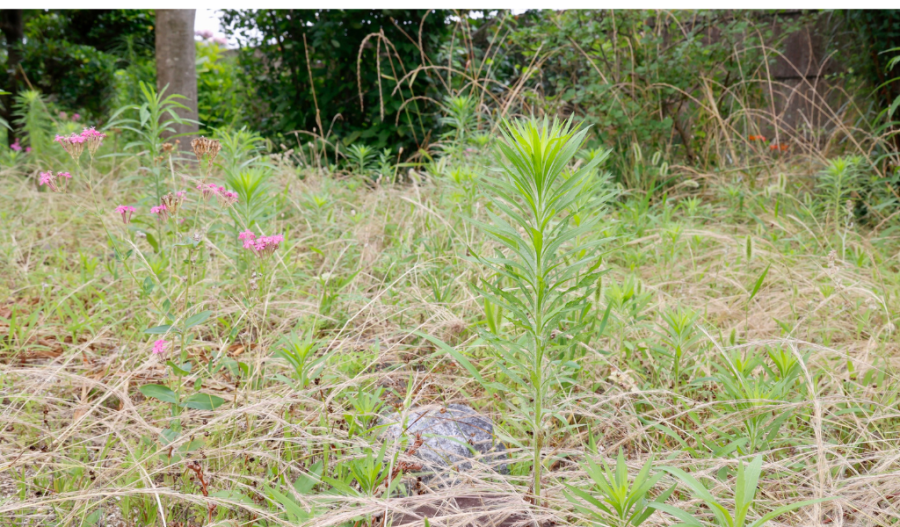
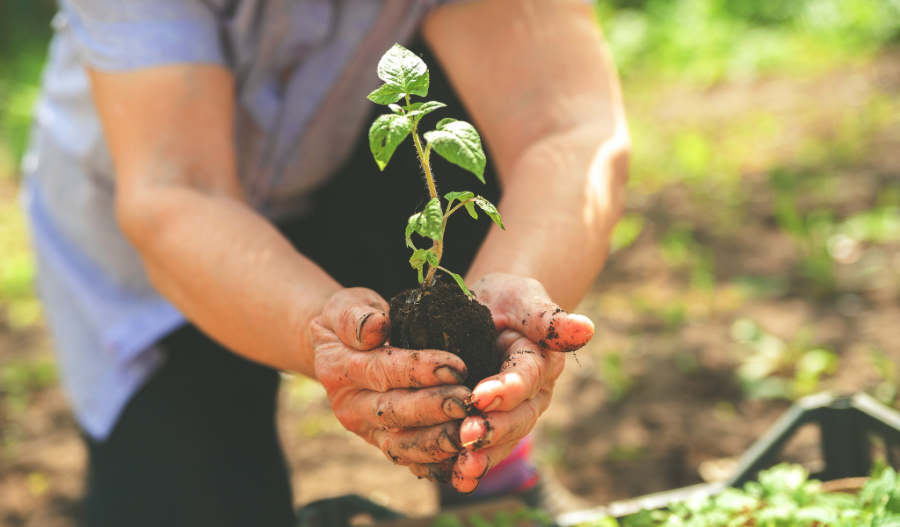
Encourage Native Plants- Native wildflowers are nutritional powerhouses for local bees, offering the right kinds of pollen and nectar they evolved to depend on. Allowing native species like milkweed, redbud, or prairie coneflower to grow in your lawn can transform it into a mini meadow. Even a few scattered blooms can make a noticeable difference for pollinators passing through. Over time, you may find that your yard naturally shifts toward a more diverse and resilient plant community. Read How to Create a Native Plant Garden to start a garden today.
Manage the Cut- When it’s time to mow again, skip the bagging and leave the clippings on the lawn. These clippings break down quickly and return valuable nutrients to the soil, reducing the need for fertilizer. This simple step also supports soil organisms that help maintain healthy turn and plant growth. Read Unleash the Power of Grass Clippings for more ways to use them in your yard. It's an easy, eco-friendly habit that pairs perfectly with the goals of No Mow May.