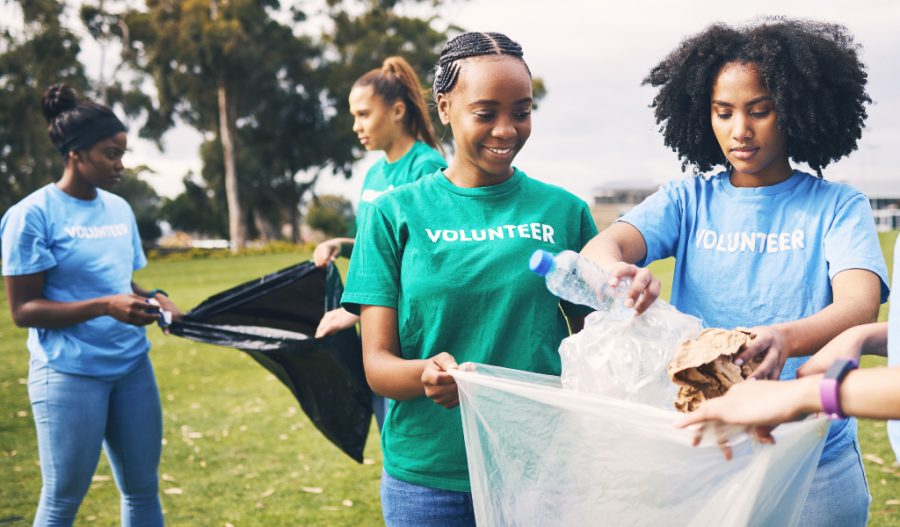
High school students learn how to protect the planet by examining complex environmental systems, evaluating evidence, and considering how policy, technology, and human behavior intersect to shape real-world outcomes. When students conduct activities such as an energy-efficiency audit of their school, they are learning how resource consumption ties directly to long-term sustainability. Look through these following activities for more real-world driven opportunities:
Electronic Waste Analysis and Recycling Plan
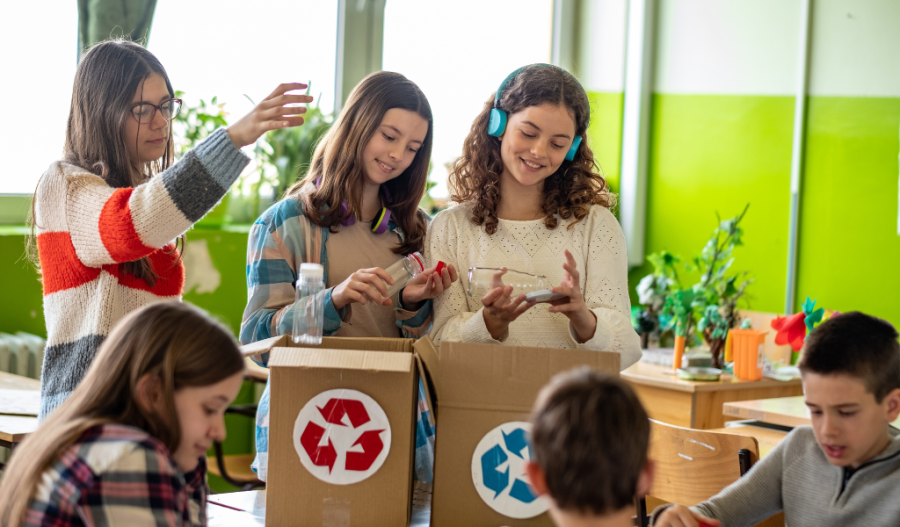
Students can investigate the growing issue of electronic waste by examining old or broken devices to identify the valuable materials they contain, and the environmental risks associated with improper disposal. The E-Waste Community Plan is a great lesson for students to conduct such an investigation. Students can also watch the Electronics Recycling virtual field trip for more information.
Compost System Evaluation and Design
Have students study how composting works by analyzing the breakdown of organic materials, comparing different composting methods, and evaluating how much waste their campus could divert from landfills. As an extension, complete the Create Your Own Compost lesson and have students make their own. They can also watch How to Compost in Your Backyard video for helpful tips and tricks.
Watershed Health Investigation
Give students the opportunity to study their local watershed by analyzing how water moves through the landscape, identifying potential sources of pollution, and evaluating how land use affects water quality. The Watershed Survey lesson plan provides students an opportunity to learn more about watersheds and has them conduct their own survey as well.
Ecosystem Restoration Project
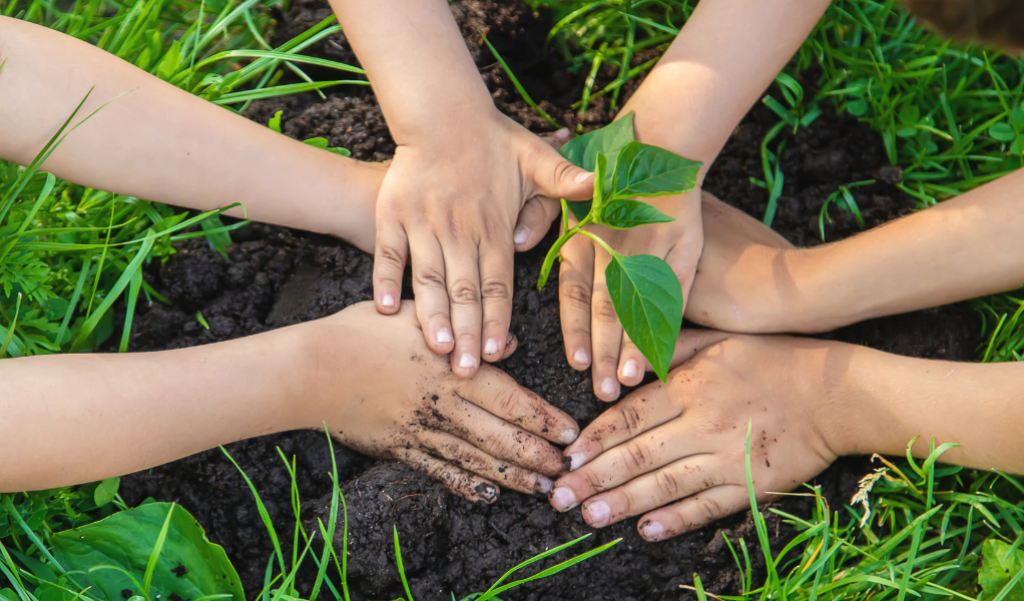
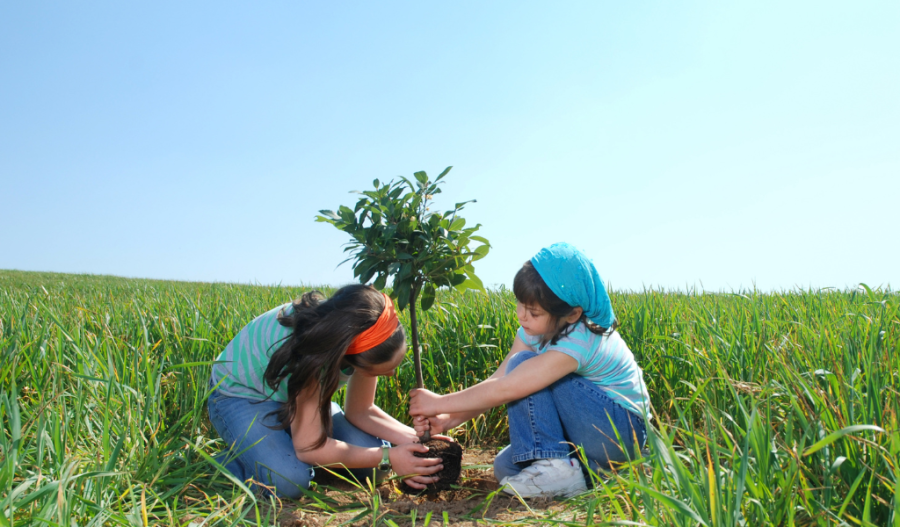
Students can participate in or design a small-scale ecosystem restoration project, such as planting native species or removing invasive plants. By monitoring changes over time, they see how targeted interventions support long-term ecological resilience. They can take it a step further by using programs like iNaturalist or eBird to submit data collected or share observations.
No matter the grade level, Earth Day offers countless opportunities to help students connect their learning to real-world environmental stewardship. By choosing experiences that match students’ developmental stages, educators can build curiosity, confidence, and a sense of responsibility that lasts far beyond a single day. Earth Day becomes not just a celebration, but a stepping stone toward lifelong conservation habits.